
Ministry of Social Affairs
2024-2026
The aim of the study was to develop an up-to-date, transparent, and regularly updateable methodology for calculating the subsistence minimum in Estonia. To this end, the study analysed international...

The aim of the study was to develop an up-to-date, transparent, and regularly updateable methodology for calculating the subsistence minimum in Estonia. To this end, the study analysed international...

The study summarises the experiences of Finland, Sweden, Denmark and Norway in introducing and implementing a local personal income tax. It answers 14 research questions and draws mainly on...

We had the great opportunity to participate in the MULTILOCAL lab alongside the University of Tartu and the Foresight Centre. The goal of the Lab was to map the...

The study has been completed as part of the Foresight Centre's research into the future-proof tax structure. The aim of the research is to first show what happens to...

Uurime, kuidas kasutatakse maksusüsteemi sisse ehitatud käitumuslikke taipamisi innovatsiooni, parema tervisekäitumise ning puhtama keskkonna saavutamiseks. Uuringu tulemusena toome välja instrumendid, mida Eestis pole kasutatud, kuid mida mujal eespool viidatud...

There are many local governments but few waste management companies. Many smaller local governments find themselves in a situation where their market power to negotiate contract conditions is not...

Rail transportation is often problematic in Estonia because the number of inhabitants in settlements is small and unsubsidised rail transport is generally not profitable when measured purely in monetary...

The Rail Baltic project has both direct and indirect effects on a number of immovable properties, infringing on the fundamental property rights of immovable property owners and restricting the...

The objective of this project was to evaluate the socioeconomic profitability of passenger transport related railroad infrastructure reconstruction.
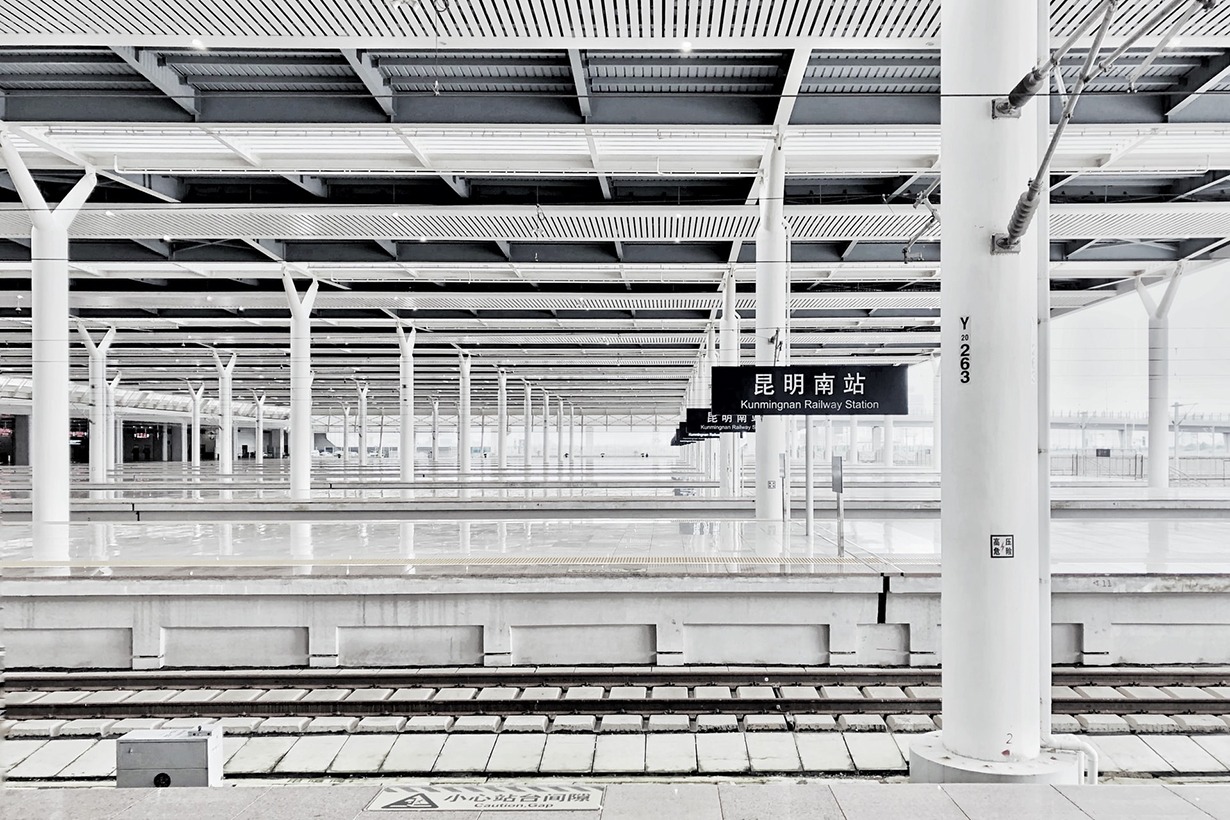
This analysis was composed for assessing the socio-economic cost-benefit of train stop reconstruction and bringing waiting platforms up to standard. The purpose of the investments was to guarantee better safety and convenience for passengers and pedestrians crossing the railroad, and making passenger train transport more attractive to current non-users.