
Ministry of Social Affairs
2024-2026
The aim of the study was to develop an up-to-date, transparent, and regularly updateable methodology for calculating the subsistence minimum in Estonia. To this end, the study analysed international...

The aim of the study was to develop an up-to-date, transparent, and regularly updateable methodology for calculating the subsistence minimum in Estonia. To this end, the study analysed international...

Uuring annab ülevaate tööga seotud haiguste diagnoosimise ning tööst põhjustatud tervisekahjustuste hüvitamise süsteemist Eestis. Analüüsis kaardistati, kuidas jõuab inimene terviseprobleemi tekkimisest kutsehaiguse või tööst põhjustatud haiguse diagnoosini ja sealt...

The parental benefit system is important and highly valued for families both for the replacement rate of the benefit and the length of the payment period. In the study,...
This evaluation reports present the findings of the ex-post evaluation of the implementation of the Estonian programmes under the European Union (EU) Asylum, Migration and Integration Fund (AMIF) and...

Education, health and welfare (EHW) are fields of activity with a growing labor demand, where significantly more women than men work. In 2023, the proportion of men in the...

The aim of the study was to conduct a mid-term evaluation of the implementation plan for the European Union internal security policy funds for the period 2021–2027.

In the study, we evaluated the impact of implementing the MARAC network model for the protection of intimate partner violence victims on the victims themselves, professionals, and members of...
In the study, we explored the perspectives and expectations of local government (LG) officials regarding 33 services provided by the Social Insurance Board (SIB). The SIB’s services were evaluated,...

The study is the final evaluation of two activities of the measure 2.6 under the priority axis 'Increasing Social Inclusion' of the 'Operational Programme for Cohesion Policy Funds 2014–2020':...
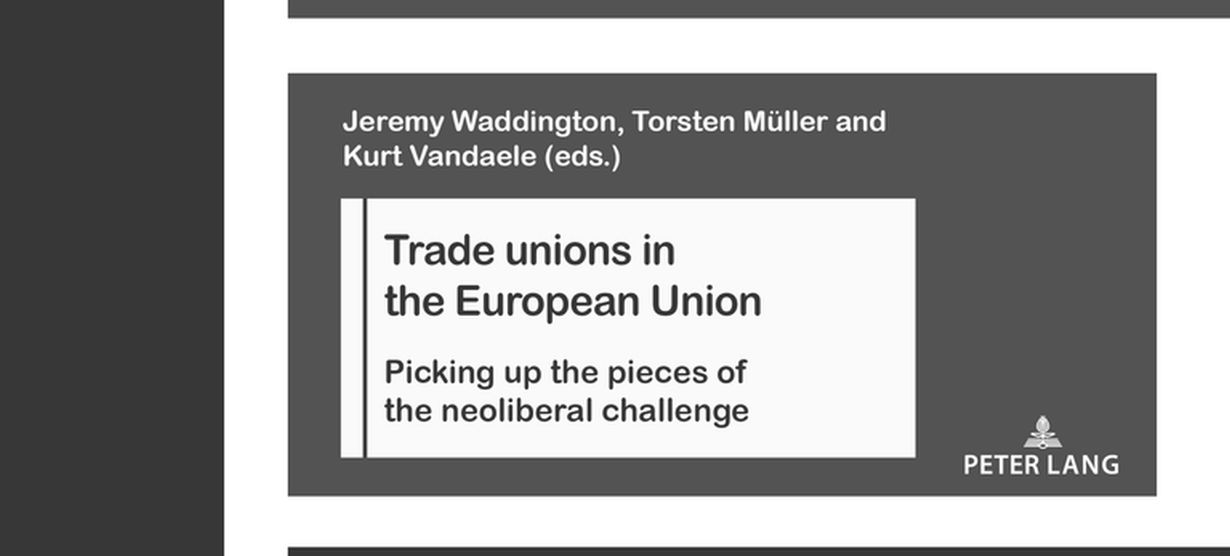
There are twenty-seven country chapters in the book (2023). The author of the 9th chapter on Estonian trade unions is Epp Kallaste (pp. 259-386).